Tianqiong Sensor IOT Technology Co., Ltd
Sales Manager:Ms. Emily Wang
Cel,Whatsapp,Wechat:+86 15898932201
Email:info@fengtutec.com
Add:No. 155 Optoelectronic Industry Accelerator, Gaoxin District, Weifang, Shandong, China


Sales Manager:Ms. Emily Wang
Cel,Whatsapp,Wechat:+86 15898932201
Email:info@fengtutec.com
Add:No. 155 Optoelectronic Industry Accelerator, Gaoxin District, Weifang, Shandong, China
time:2026-03-13 10:52:53 source:Weather Station viewed:226 time
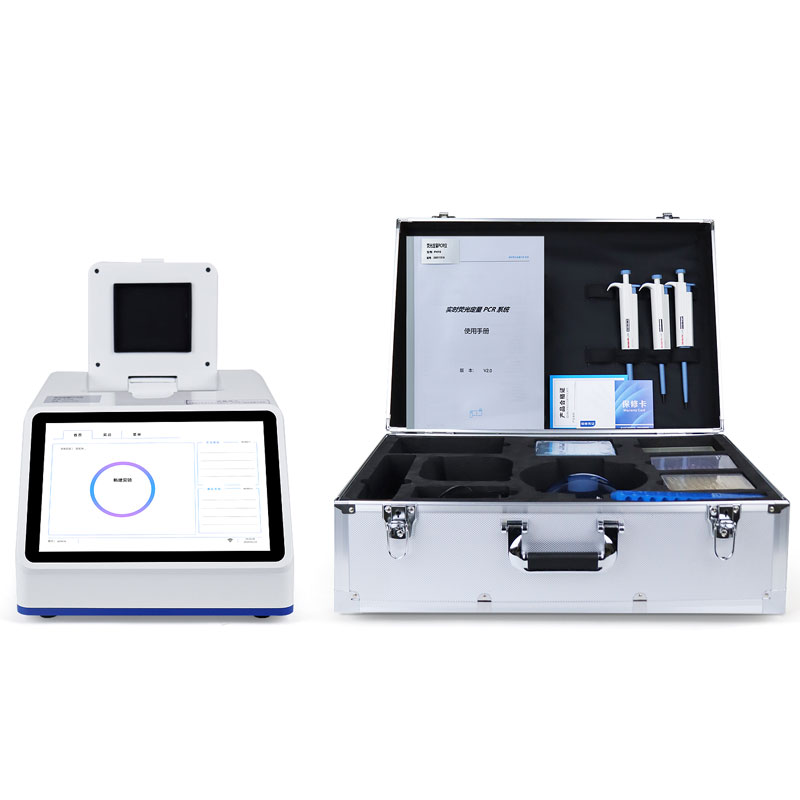
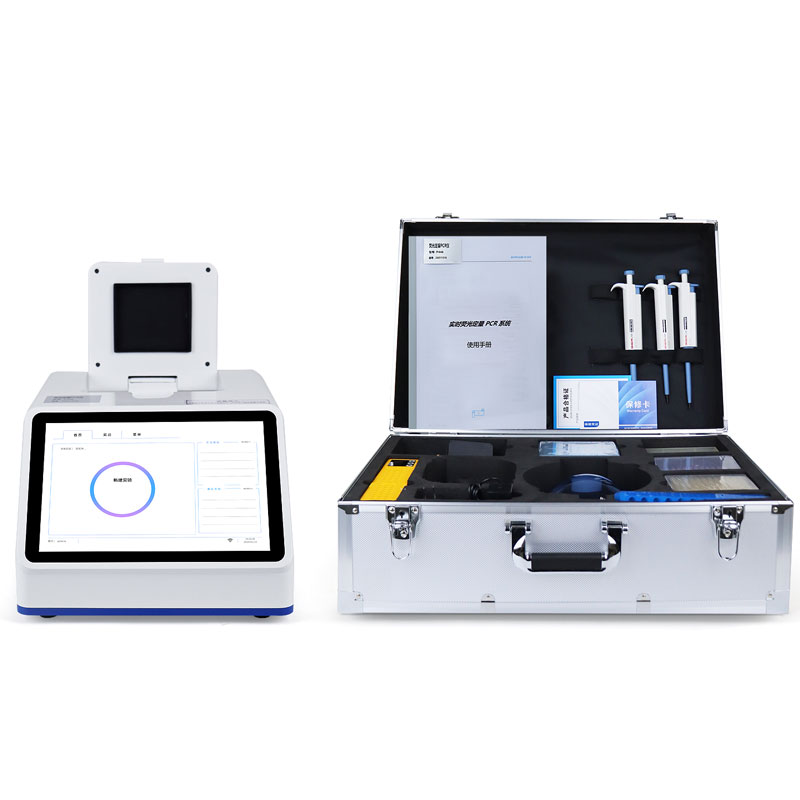
Pathogen detection is a device designed for the rapid and accurate detection of viruses in farmed fish and shrimp. It focuses on the detection of pathogen nucleic acids within samples, featuring multi-channel parallel processing capabilities that support both qualitative and quantitative analysis. Adaptable to a wide range of scenarios, it is extensively utilized in the aquaculture industry, as well as in scientific research, quarantine, and related fields.
Pathogen detection is a specialized instrument engineered specifically for viral detection in the aquatic sector. Its primary function is the rapid and precise detection of viruses in farmed fish and shrimp, with a specific focus on the accurate analysis of pathogen nucleic acids found in animal body fluids and tissue samples. By providing reliable data support, it plays a crucial role in the prevention and control of aquatic diseases. The device offers flexible adaptability across various settings, effectively meeting the distinct requirements of both laboratory-based analysis and on-site testing at aquaculture farms; it combines user-friendly operation with highly efficient detection performance.
This device features multi-channel parallel detection capabilities, simultaneously supporting both qualitative and quantitative analyses. It can efficiently process multiple samples concurrently—significantly boosting detection throughput—while ensuring the utmost accuracy of results. This design effectively resolves the issues associated with single-channel detection, such as time-consuming processes and low operational efficiency. Whether utilized for the batch testing of samples in a laboratory setting or for rapid on-site screening at an aquaculture farm, the device consistently delivers stable and reliable performance, effectively meeting the diverse detection needs of various operational environments.
Pathogen detection is capable of detecting a wide spectrum of common aquatic viruses—including White Spot Syndrome Virus (WSSV) in shrimp, Yellow Head Virus (YHV), Hemocyte Iridescent Virus (HIV), Loho Virus, and Koi Herpesvirus (KHV), among others. By comprehensively covering the viral pathogens frequently encountered in aquaculture, the device enables the timely identification of potential disease outbreaks, thereby gaining critical time for disease prevention and control efforts and minimizing economic losses within the aquaculture industry. Its precise nucleic acid detection capabilities facilitate the effective differentiation of specific viral types, providing a robust scientific foundation for the diagnosis and treatment of aquatic diseases.
The device boasts a broad scope of application, encompassing fundamental scientific research, pathogen detection, pet health screening, and disease surveillance within the livestock and aquaculture sectors. Specifically, it is utilized in aquaculture farms, aquatic research institutions, specialized aquatic disease clinics, government agencies (such as Ministries of Agriculture and Rural Affairs), animal husbandry bureaus, and inspection and quarantine authorities. In aquaculture farms, it serves as a tool for routine disease screening; in research institutions, it provides essential detection support for studies related to aquatic virology; and in inspection and quarantine agencies, it facilitates the viral testing of aquatic products, thereby safeguarding the healthy and sustainable development of the entire aquaculture industry. Pathogen detection requires no complex professional training to operate; it offers rapid detection speeds and accurate results, enabling the swift completion of viral testing and assisting relevant entities in promptly implementing disease prevention and control measures. Its adaptability to both laboratory and on-site farm environments breaks through the operational limitations of traditional testing equipment, providing a convenient and highly efficient solution for the prevention and control of aquatic diseases. As the aquaculture industry continues to evolve, Pathogen detection—leveraging its advantages of high efficiency and precision—has emerged as a vital tool for disease prevention, control, and scientific research within the aquatic sector, thereby contributing to the high-quality development of the industry.
In fields such as agricultural production, outdoor sports, and transportation, accurately grasping weather conditions is crucial. Although traditional large-scale weather stations can provide macro meteorological data, they have shortcomings in monitoring accuracy in local areas and are difficult to...
Wireless Weather Station Features an integrated 7-in-1 sensor module capable of real-time measurement of wind speed, wind direction, air temperature, humidity, atmospheric pressure, illuminance, and optical rainfall. It comes standard with three data transmission methods—GPRS, Bluetooth, and...
During ship navigation, when encountering waters with unknown water depth conditions, ship drivers face potential risks such as reef striking and stranding, which seriously threaten navigation safety. In such cases, a Portable Ultrasonic Water Depth Meter can be used.The Portable Ultrasonic Water De...
Water is the lifeblood of plant growth, permeating throughout their entire life cycle. Plants mainly rely on their roots to absorb water, and this water participates in numerous physiological activities within the plant.Photosynthesis is the core process of plant growth. Water and carbon dioxide und...


 Skype
Skype
 whatsapp
 mail
mail