Tianqiong Sensor IOT Technology Co., Ltd
Sales Manager:Ms. Emily Wang
Cel,Whatsapp,Wechat:+86 15898932201
Email:info@fengtutec.com
Add:No. 155 Optoelectronic Industry Accelerator, Gaoxin District, Weifang, Shandong, China


Sales Manager:Ms. Emily Wang
Cel,Whatsapp,Wechat:+86 15898932201
Email:info@fengtutec.com
Add:No. 155 Optoelectronic Industry Accelerator, Gaoxin District, Weifang, Shandong, China
time:2025-07-17 08:55:30 source:Weather Station viewed:494 time
Meteorological disasters often cause severe losses to agriculture. Among the numerous agrometeorological disasters, drought, flood, frost, and dry-hot wind are relatively common.
Drought is a disaster caused by long-term lack of rain or little rain, which leads to soil water shortage and dry air, resulting in crop water shortage, thus affecting normal growth and development and reducing yields. Crops will wilt due to water shortage, and their growth will be greatly hindered. Floods are caused by excessively long and concentrated precipitation, with a large amount of waterlogging submerging farmland, resulting in oxygen deficiency in crop roots, affecting growth, and even causing the whole plant to die in severe cases. Frost mostly occurs in warm periods. Short-term low-temperature freezing damage will cause water in crop cell gaps to form ice crystals, leading to cell dehydration. The increase of ice crystals will also damage crop cells, causing irreversible damage to crops. Dry-hot wind is a comprehensive weather phenomenon composed of dry wind with high temperature, low humidity and strong wind, which can cause a large amount of transpiration of crops and bring huge losses to agriculture in a short time.
In the face of these meteorological disasters, traditional agriculture is often difficult to cope with effectively. However, with the development of science and technology, Agricultural Weather Stations have provided new ideas for agricultural disaster prevention and mitigation.
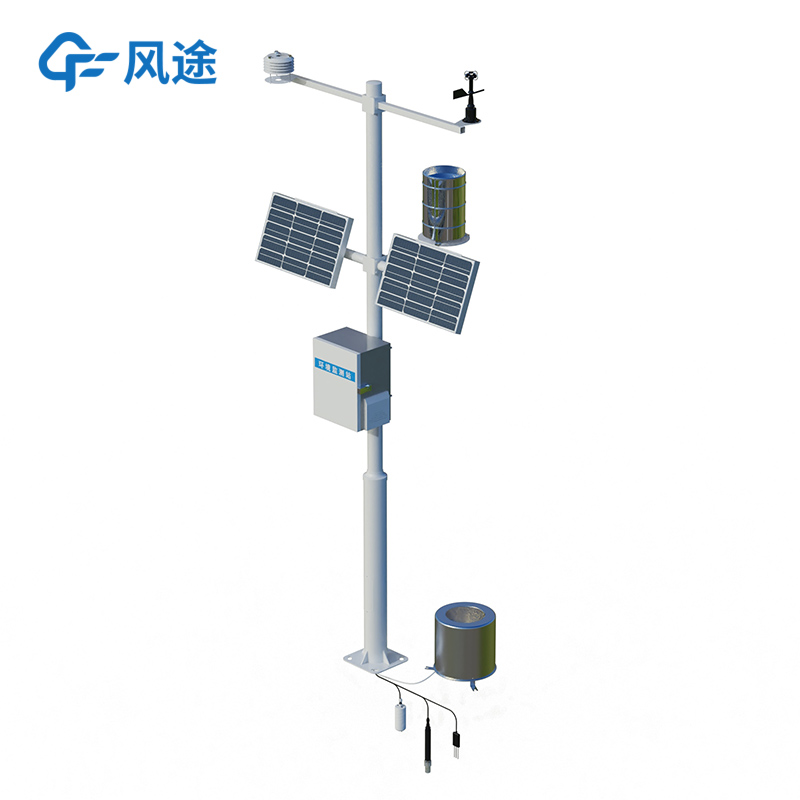
Agricultural Weather Stations are intelligent monitoring platforms that integrate meteorological, soil and crop growth data. It can collect farmland environment information in real-time through a multi-parameter sensor network. In terms of meteorological element monitoring, it can accurately monitor key meteorological parameters such as air temperature, humidity, wind speed, wind direction, precipitation and light intensity.
Using Agricultural Weather Stations, through the analysis of temperature and humidity change trends, the system can predict the risk of frost, drought or heavy rain in advance. When it is monitored that the humidity continues to drop and the soil water content decreases to a certain extent, the drought risk can be warned. After receiving the warning, farmers can carry out irrigation in time to keep moisture, ensuring the water needed for crop growth.
Agricultural Weather Stations can be linked with early warning information from meteorological departments. Once it is monitored that the relevant meteorological data reach the disaster warning threshold, an alarm will be issued quickly. For example, when the rain gauge detects that the rainfall is about to exceed the set threshold, the system will immediately send early warning information to farmers, who can take preventive measures such as dredging the drainage system in advance to reduce the damage to crops caused by farmland waterlogging. Under drought warning, the system can also automatically adjust the irrigation strategy, reasonably allocate water resources according to the water demand law of crops in different growth stages, and give priority to ensuring the water demand in key growth periods.
Therefore, in the current situation of frequent meteorological disasters, vigorously promoting and applying Agricultural Weather Stations can help farmers reduce natural risks.
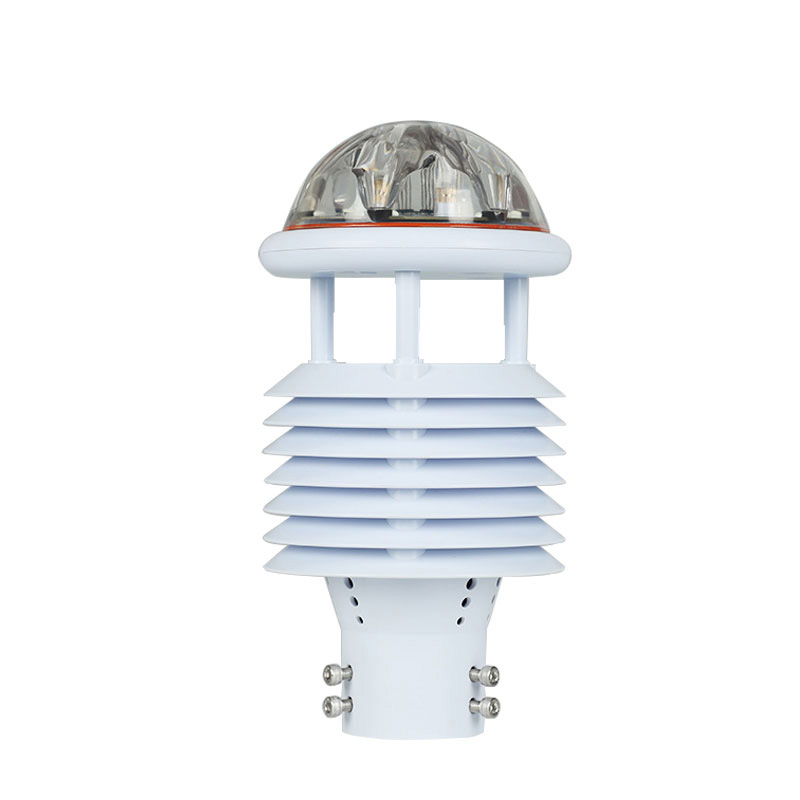
The Wireless Weather Station integrates six sensors: wind speed, wind direction, temperature, humidity, air pressure, and optical rainfall. Its concealed ultrasonic probe avoids interference from rain and snow accumulation and wind obstruction. It measures wind speed and direction by emitting...
African swine fever laboratory diagnostics is equipped with two independent detection channels and a total of 16 reaction wells, enabling simultaneous processing of two samples for parallel testing. This device is used for the quantitative and rapid diagnosis of livestock diseases such as Afri...
The LED-display Small Weather Station is capable of monitoring negative oxygen ion concentration in the air around the clock and can expand monitoring items according to user needs, such as meteorological parameters like air temperature, air humidity, PM2.5, and PM10.Measurement Principles and Techn...
Complete Weather Station is designed in strict accordance with the observation standards of international meteorological organizations. Utilizing a configuration that combines a data logger with modular sensors, it is capable of measuring between ten and twenty meteorological parameters—inclu...


 Skype
Skype
 whatsapp
 mail
mail