Tianqiong Sensor IOT Technology Co., Ltd
Sales Manager:Ms. Emily Wang
Cel,Whatsapp,Wechat:+86 15898932201
Email:info@fengtutec.com
Add:No. 155 Optoelectronic Industry Accelerator, Gaoxin District, Weifang, Shandong, China


Sales Manager:Ms. Emily Wang
Cel,Whatsapp,Wechat:+86 15898932201
Email:info@fengtutec.com
Add:No. 155 Optoelectronic Industry Accelerator, Gaoxin District, Weifang, Shandong, China
time:2025-07-09 09:06:57 source:Weather Station viewed:497 time
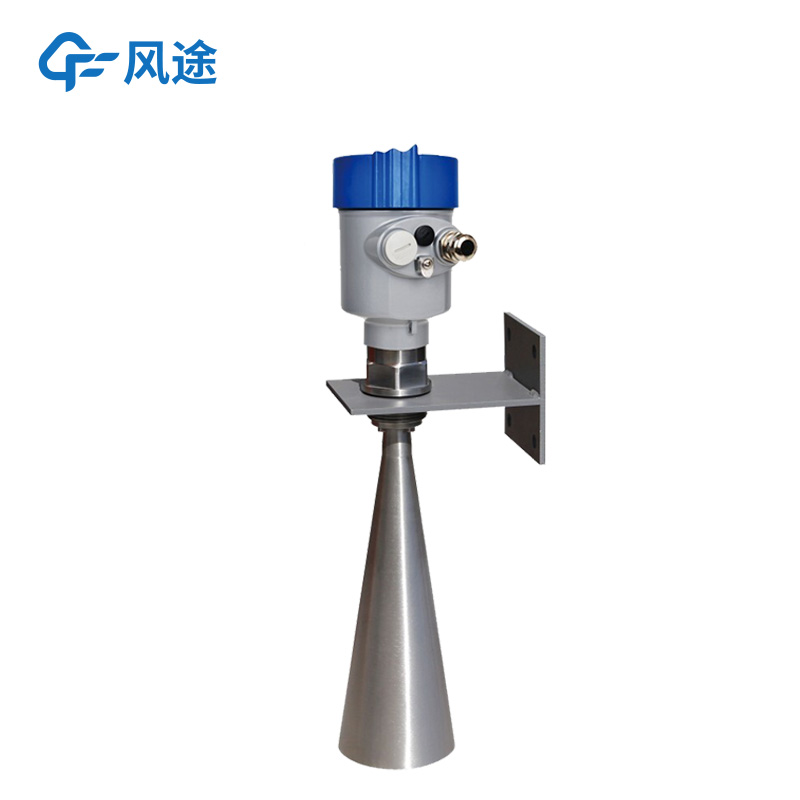
To measure water levels, a Radar Water Level Sensor is required, such as the YW-76 introduced today. Let's take an in-depth look at its advantages and working principle.
1. High-frequency Technology Ensures Measurement Accuracy
The YW-76 horn-type Radar Water Level Sensor adopts Frequency Modulated Continuous Wave (FMCW) technology operating in the 76-81GHz frequency band, featuring high working frequency and short wavelength. In complex river environments, it can clearly identify water surface reflection waves even amid water flow fluctuations and underwater debris interference, achieving a measurement accuracy of ±1mm. This meets the high-precision data requirements of scenarios like water conservancy projects and hydrological monitoring.
2. Wide Measuring Range and Small Blind Zone Enhance Applicability
The standard measuring range of the water level gauge is 0.05m-35m, with a maximum range of up to 120m, making it suitable for monitoring various water areas such as small ponds, large reservoirs, and rivers. The blind zone is only 8cm, enabling accurate measurement of water levels close to the bottom in low-water scenarios like urban drainage pipelines, avoiding data loss and providing data support for flood prevention and waterlogging control.
3. Structural Design Adapts to Complex Environments
The antenna of the YW-76 consists of a 42mm lens antenna and a ∅146mm horn, made of PTFE+304 material. It can withstand a process temperature range of -40-80℃ and a process pressure range of -0.1-0.3MPa, with an IP67 protection rating. It maintains stable operation in harsh environments such as high temperatures and heavy dust, ensuring continuous and effective monitoring.
4. Diversified Debugging and Communication Methods Improve Efficiency
On-site debugging can be performed via an LCD display, or with upper computer software on a PC. Communication methods include USB-to-RS485 serial cables (4-wire), USB-to-TTL serial cables (2-wire), and USB-to-Hart-modem (2-wire). It supports mobile phone Bluetooth debugging and 4G network remote debugging/upgrading, reducing on-site operation time and improving work efficiency.
In summary, the YW-76 horn-type Radar Water Level Sensor demonstrates high efficiency and reliability in water level monitoring through the combination of technical features and practical design, making it a commonly used water level sensor in the industry.
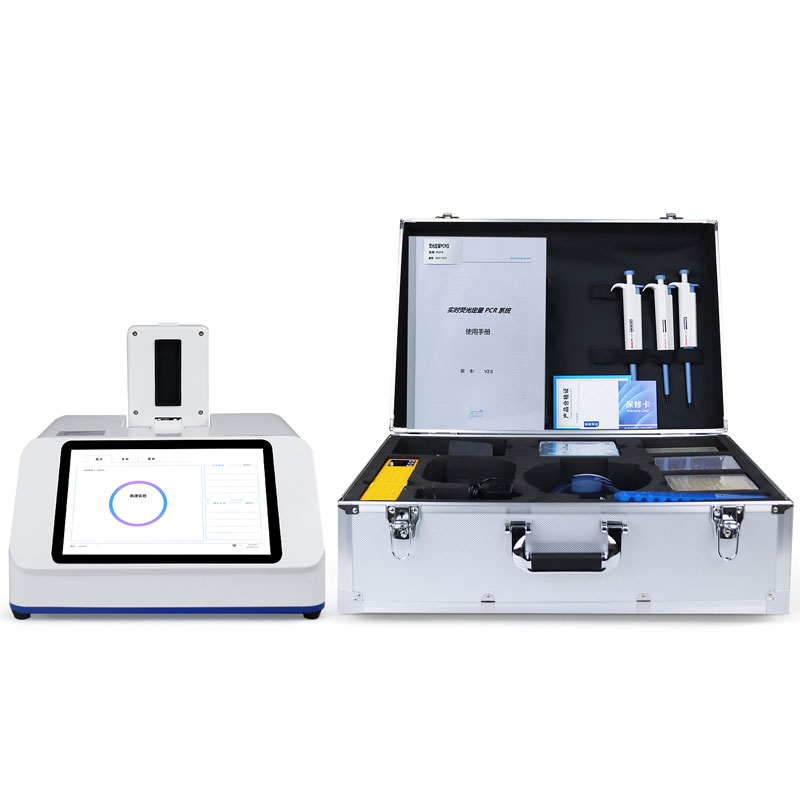
Pathogen detection is a device designed for the rapid and accurate detection of viruses in farmed fish and shrimp. It focuses on the detection of pathogen nucleic acids within samples, featuring multi-channel parallel processing capabilities that support both qualitative and quantitative analy...
Handheld Weather meter is a portable meteorological monitoring device integrating multiple sensors to measure meteorological parameters such as temperature, humidity, air pressure, wind speed, and wind direction in real time....
Water quality micro monitoring station is a miniaturized, integrated, and intelligent online water quality monitoring system. This device integrates five measurement modules—total phosphorus, total nitrogen, chemical oxygen demand, permanganate index, and ammonia nitrogen—as well as conventi...
The Portable el detector is an important device used to detect various defects in photovoltaic (PV) cell modules. It can accurately detect defects such as hidden cracks, fragments, and poor soldering in PV cell modules. These internal defects can seriously affect the service life and long-term power...


 Skype
Skype
 whatsapp
 mail
mail