Tianqiong Sensor IOT Technology Co., Ltd
Sales Manager:Ms. Emily Wang
Cel,Whatsapp,Wechat:+86 15898932201
Email:info@fengtutec.com
Add:No. 155 Optoelectronic Industry Accelerator, Gaoxin District, Weifang, Shandong, China


Sales Manager:Ms. Emily Wang
Cel,Whatsapp,Wechat:+86 15898932201
Email:info@fengtutec.com
Add:No. 155 Optoelectronic Industry Accelerator, Gaoxin District, Weifang, Shandong, China
time:2025-05-26 09:46:43 source:Weather Station viewed:397 time
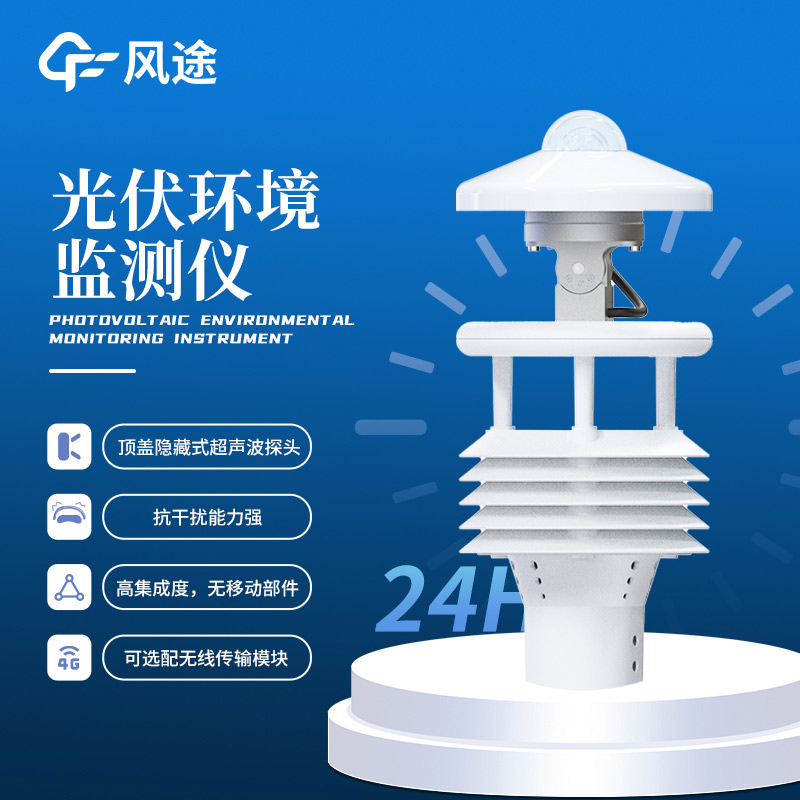
Photovoltaic weather stations are professional monitoring devices specifically designed for the photovoltaic industry, capable of real-time and precise measurement of multiple key parameters. Among them, the measurement of thermoelectric total radiation parameters can obtain comprehensive energy data of heat and electricity in solar radiation, helping analyze the utilizable potential of solar energy resources. The daily cumulative radiation of total radiation records the total solar radiation throughout the day through continuous monitoring, providing an important basis for power generation estimation and operation efficiency evaluation of photovoltaic power plants. The measurement of component temperature (backplane temperature) can timely grasp the temperature changes of photovoltaic components. Excessively high temperatures will lead to a decrease in the power generation efficiency of components, and monitoring this parameter can effectively prevent component damage caused by overheating and ensure the safe and stable operation of equipment.
The power generation efficiency of photovoltaic power plants is closely related to meteorological conditions, so meteorological monitoring is indispensable. The amount of solar radiation directly determines the power generation capacity of photovoltaic components. By monitoring thermoelectric total radiation and daily cumulative total radiation, power plants can analyze the distribution of solar energy resources and reasonably plan power generation schedules. Component temperature (backplane temperature) is affected by meteorological factors such as ambient temperature and solar radiation intensity. Excessively high temperatures can cause the hot spot effect in components, reducing power generation efficiency and service life. By monitoring component temperature, maintenance personnel can timely take cooling measures to improve the power generation efficiency and economic benefits of power plants. Meteorological monitoring data can also be used to evaluate the long-term operational performance of photovoltaic power plants, provide a scientific basis for equipment selection and power plant site selection, and help the sustainable development of the photovoltaic industry.
The Portable IV Curve Tester is known as the "stethoscope" of power stations, capable of accurately diagnosing the operational status of power stations.The working principle of the Portable IV Curve Tester is based on the photovoltaic effect and basic circuit principles. When light shines...
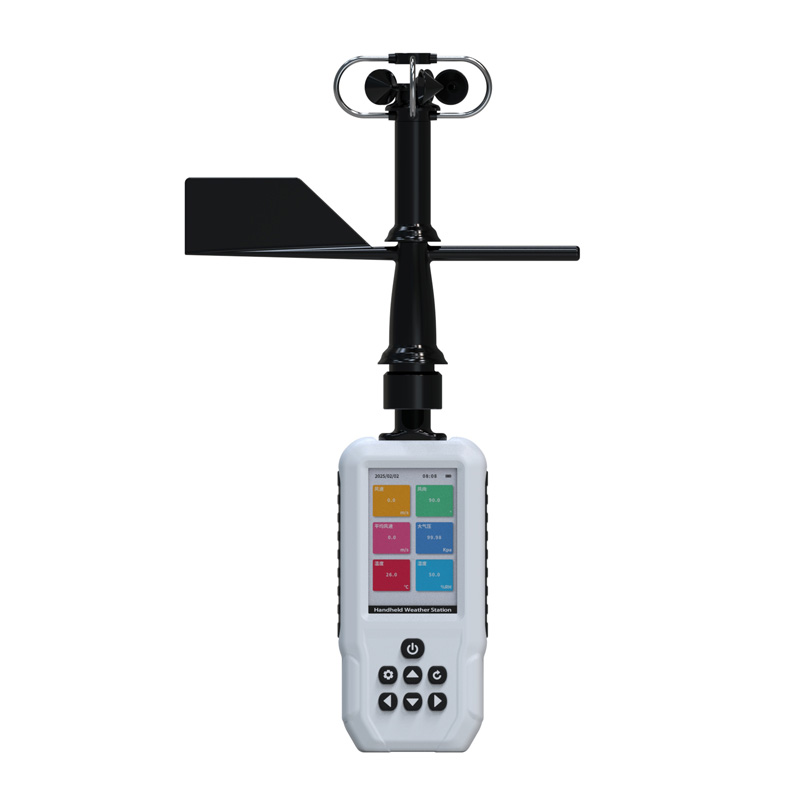
Designed specifically for emergency rescue scenarios, this handheld weather station accurately measures multiple factors such as wind speed, wind direction, temperature, and humidity. It is suitable for all disaster emergency scenarios including fire, earthquake, and flood, and can be used in...
There is a hidden hazard invisible to the naked eye in solar photovoltaic panels —— hidden cracks. This hazard can negatively impact the performance and lifespan of photovoltaic power generation systems. Let’s take a detailed look at it.Hidden cracks refer to fine cracks that occur in the cells o...
Meteorological Stations integrates twelve meteorological parameters: wind speed, wind direction, temperature, humidity, atmospheric pressure, optical rainfall, PM2.5, PM10, CO, SO2, NO2, and O3. The sensor housing is constructed from imported ABS material, offering an ingress protection rating...


 Skype
Skype
 whatsapp
 mail
mail