Tianqiong Sensor IOT Technology Co., Ltd
Sales Manager:Ms. Emily Wang
Cel,Whatsapp,Wechat:+86 15898932201
Email:info@fengtutec.com
Add:No. 155 Optoelectronic Industry Accelerator, Gaoxin District, Weifang, Shandong, China


Sales Manager:Ms. Emily Wang
Cel,Whatsapp,Wechat:+86 15898932201
Email:info@fengtutec.com
Add:No. 155 Optoelectronic Industry Accelerator, Gaoxin District, Weifang, Shandong, China
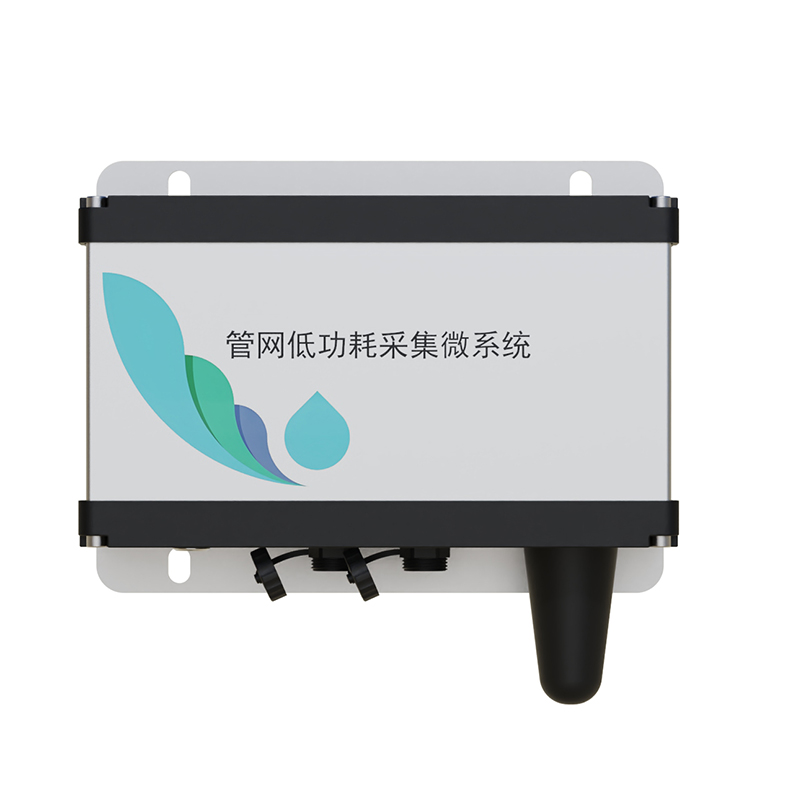
Model:FT-GWS07
Brand:tianqiong
1、Smart drainage water quality monitoring system Product Overview
Smart drainage water quality monitoring system monitors and manages urban drainage water quality, providing accurate, real-time water quality information.Smart drainage water quality monitoring systemX transmits data directly to a designated server via 4G, supporting the MQTT protocol for transparent transmission of JSON data.
Data in other formats is transmitted via 4G to our cloud platform.We provide an HTTP interface for other platforms to access data.
The built-in 8GB TF card allows data to be stored in the memory card.
The baud rate of each serial port can be modified via commands, and required sensor parameters can also be added, modified, and deleted via commands.
2、Smart drainage water quality monitoring system Features
1.Built-in 3.6V 152AH lithium battery, guaranteed for three years of continuous operation.
2.IP68 waterproof, no worries about pipe flooding.
3.Two 485 interfaces: one for device configuration and one for sensor reading.
4.Supports Modbus RTU sensor reading and data storage.
5.Serial port baud rate can be independently modified.
6.Sensor communication port supports up to 32 nodes.
3、Smart drainage water quality monitoring system Specifications
Operating Voltage: 3.6V Internal Lithium Battery
Dimensions: 204x82x162mm
Environmental: Temperature: -40-85°C, Humidity: 5%-95%
Communication Type: RS485
Communication Protocol: Modbus RTU
Communication Distance: 300 meters
Baud Rate: 1200-115200 bps, default 9600 8 N 1
Protection Level: 600W lightning surge protection per RS-485 line, ±15kV ESD protection
4、Smart drainage water quality monitoring system Sensor parameters
| Serial number | Sensor type | Measurement range | Measurement principle | Measurement accuracy | Configuration |
| 1 | Temperature | 0~50℃ | High-precision digital sensor | ±0.3℃ | √ |
| 2 | Electrical conductivity | 0~5000uS/cm, 0~10000uS/cm | Contact method of electrode | ±1.5% | √ |
| 3 | pH | 0~14 (ph) | Electrochemistry (salt bridge) | ±0.1PH | √ |
| 4 | Dissolved oxygen | 0~20mg/L | Fluorescence lifetime method | ±2% | √ |
| 5 | Ammonium nitrogen | 0-1000.00mg/L(default) 0-100.00mg/l/ (customizable) | Ion selective electrode method | 10% of the reading, ±0.5℃ | √ |
| 6 | Turbidity | 0~40NTU (optional) | Scattering light method | ±1% | √ |
| 7 | Cash on delivery | 0~500mg/L | UV254 absorption method | ±5% | √ |
In modern traffic management, real-time and accurate road condition monitoring is of great significance for ensuring driving safety and improving road operation efficiency. Traditional road weather stations typically require embedded installation, which not only damages the road structure but may al...
FT-NQ8 Meteorological Observation Station, specifically designed for agriculture, can accurately monitor 8 key elements. Each of these 8 elements is closely related to crop growth. Temperature is a key factor affecting the growth rate and physiological activities of crops. Different crops have speci...
The Ultrasonic weather station integrates various sensors with different functions, such as sensors for measuring wind speed and direction, sensors for detecting temperature and humidity, and sensors for recording rainfall, etc., all in the same device. This design makes the structure of the weather...
With the acceleration of urbanization and industrialization, regional and complex air pollution problems have become increasingly prominent. Traditional ambient air quality monitoring networks typically consist of a limited number of well-equipped national or provincial control stations. While these...


 Get a Free Quote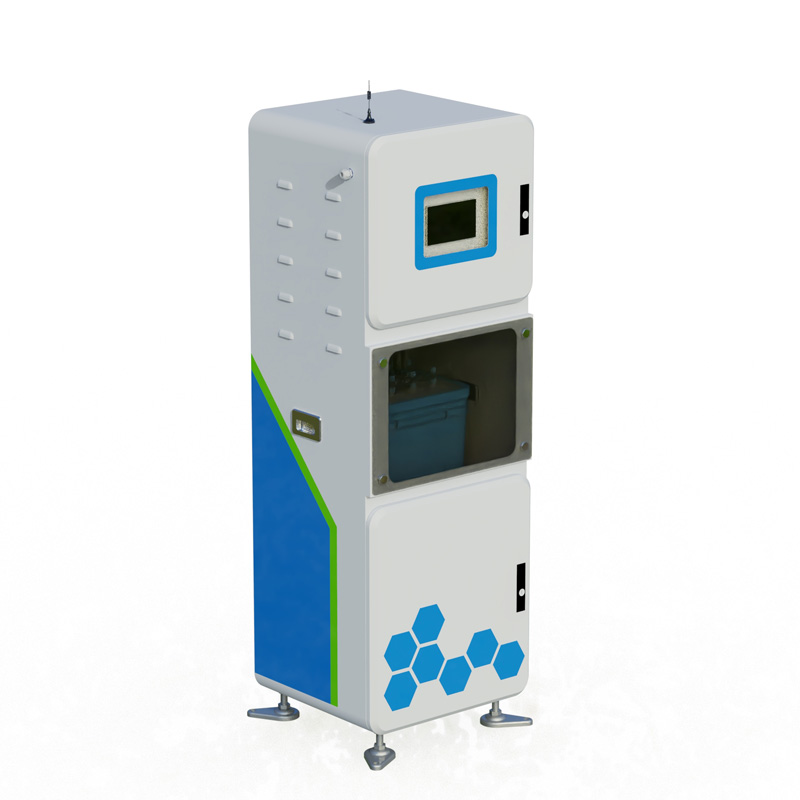
 Skype
Skype
 whatsapp
 mail
mail