Tianqiong Sensor IOT Technology Co., Ltd
Sales Manager:Ms. Emily Wang
Cel,Whatsapp,Wechat:+86 15898932201
Email:info@fengtutec.com
Add:No. 155 Optoelectronic Industry Accelerator, Gaoxin District, Weifang, Shandong, China


Sales Manager:Ms. Emily Wang
Cel,Whatsapp,Wechat:+86 15898932201
Email:info@fengtutec.com
Add:No. 155 Optoelectronic Industry Accelerator, Gaoxin District, Weifang, Shandong, China
time:2025-08-06 08:51:12 source:Weather Station viewed:447 time
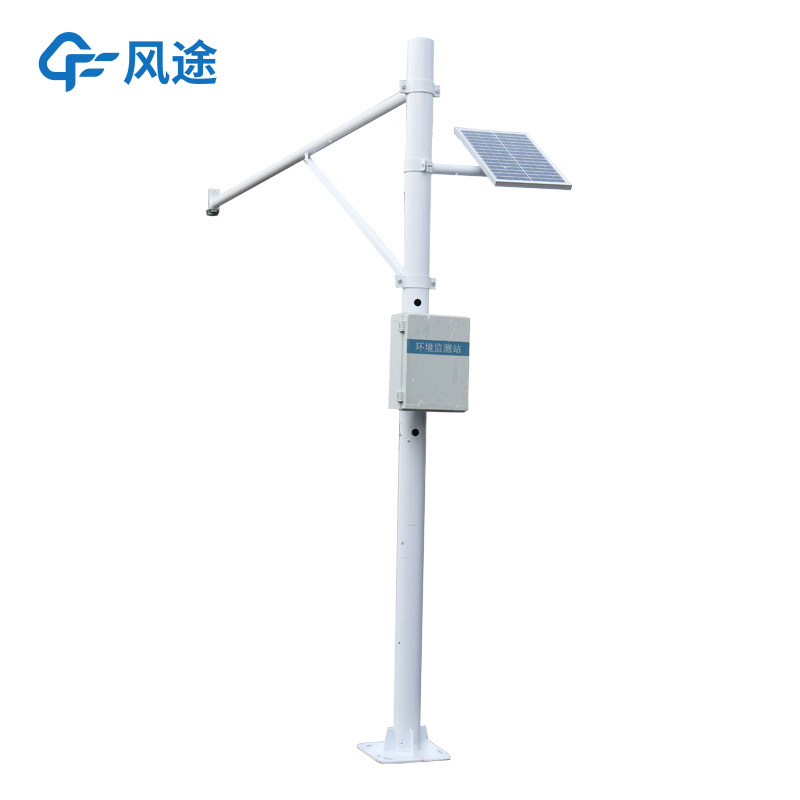
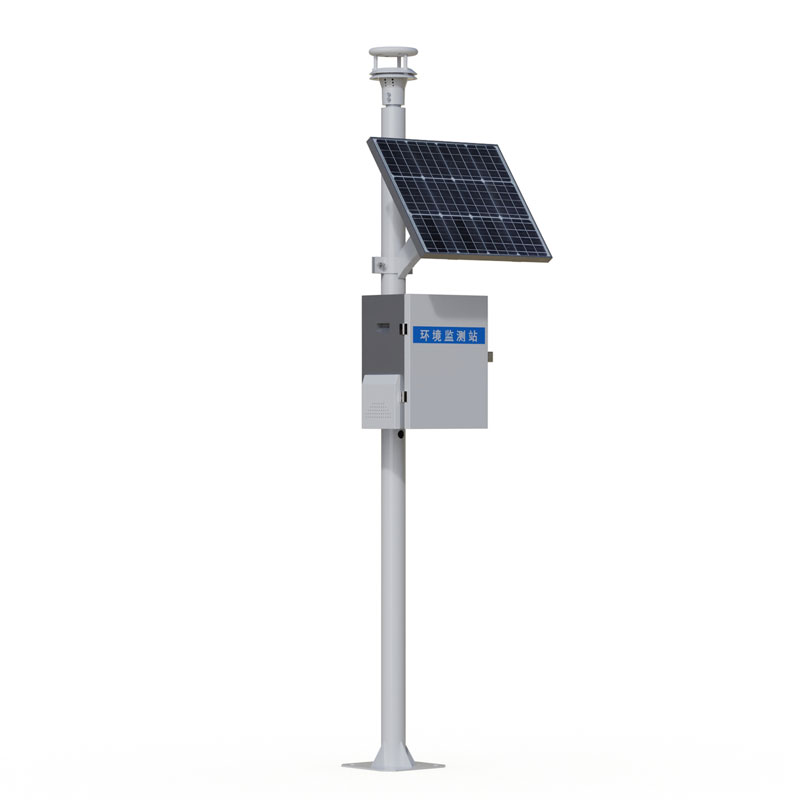
Against the backdrop of accelerating informatization in water conservancy, the demand for monitoring in the field of water conservancy management is rising increasingly. To address issues such as frequent flood disasters and the need to improve the efficiency of water resource management, a Water Level Monitoring Station, developed based on the capabilities of the IoT sensing cloud platform, has emerged as the times require. With integrated and modular design concepts, this monitoring station can realize real-time remote monitoring and intelligent analysis of water conservancy data, effectively improving the efficiency of water resource management.
Adhering to the concept of integrated structural design, this product integrates various sensors such as telemetry terminal units, water level gauges, flow velocity meters, and video surveillance systems, providing a series of functions including measurement, collection, storage, control, communication, and remote management. It adopts an integrated service model that combines hardware integration, business applications, and on-site services, featuring advantages such as flexible hardware integration, wide application scenarios, and standardized implementation and delivery. It is applied in scenarios such as irrigation areas, reservoirs, and urban waterlogging prevention and control.
The advantages of the Water Level Monitoring Station are as follows: Firstly, high integration and high cost performance. It integrates multiple sensor devices to achieve one-stop monitoring, and is more cost-effective compared with traditional decentralized monitoring equipment. Secondly, convenient installation and extremely simple maintenance. It can be quickly deployed in various complex environments, and has excellent waterproof, lightning-proof, dust-proof, anti-corrosion, and wind-resistant capabilities, reducing the difficulty and cost of later maintenance. Thirdly, strong scenario adaptability and integration of software and hardware. It is suitable for a variety of water environment scenarios, supports integrated packaging of software and hardware, the terminal can be flexibly combined according to actual needs, the software deployment methods are diverse, and service provision also follows the principle of standardization.
In irrigation areas, it can monitor the water level, flow, and velocity of irrigation rivers and reservoirs, realizing the integrated sensing and control of sluice stations and pump stations. In reservoirs, it can monitor the water level, flow, and velocity of reservoirs and their upstream and downstream rivers, carry out dam safety monitoring and surrounding safety monitoring, as well as the integrated sensing and control of sluice stations and pump stations. In urban waterlogging prevention and control, it can monitor the water level, flow, and velocity of roads, pipe networks, and rivers, pay attention to waterlogging-prone points and surrounding safety, and realize the integrated sensing and control of sluice stations and pump stations, as well as prevention and control emergency command.
In a hydrological monitoring project of small and medium-sized rivers in a certain region, more than 20 such Water Level Monitoring Stations were deployed. The project adopted an operation mode of "manned supervision, unattended operation", collected, processed, and transmitted water level, rainfall, and image data, successfully realizing the wireless remote transmission of automatic water level monitoring, ensuring that water level data can be accurately and stably transmitted to relevant hydrological databases, and providing raw data for local hydrological management and decision-making.
Handheld Weather Station is a portable meteorological observation instrument that integrates wind direction, wind speed, atmospheric pressure, temperature, and humidity measurement. Its compact size and light weight allow for one-handed operation and easy carrying and deployment, meeting the n...
In low-temperature and snowy weather, bridge icing is a serious problem. Bridge icing not only affects the stability of the bridge structure and shortens its service life, but also poses a great threat to the safety of passing vehicles and pedestrians, and is extremely likely to cause traffic accide...
Microclimate refers to the small - scale climatic characteristics of the near - surface atmosphere and the upper layer of soil, which are caused by the specific structural features of the underlying surface. These characteristics are usually reflected in individual meteorological values and sometime...
Field Weather Instrument is a highly integrated, low-power, and portable meteorological station. Featuring a carbon fiber main support structure, it integrates a meteorological sensor unit, a compass, a tablet computer, and a field shovel within a single wheeled trolley case. This design enabl...


 Skype
Skype
 whatsapp
 mail
mail