Tianqiong Sensor IOT Technology Co., Ltd
Sales Manager:Ms. Emily Wang
Cel,Whatsapp,Wechat:+86 15898932201
Email:info@fengtutec.com
Add:No. 155 Optoelectronic Industry Accelerator, Gaoxin District, Weifang, Shandong, China


Sales Manager:Ms. Emily Wang
Cel,Whatsapp,Wechat:+86 15898932201
Email:info@fengtutec.com
Add:No. 155 Optoelectronic Industry Accelerator, Gaoxin District, Weifang, Shandong, China
time:2026-04-30 11:10:53 source:Weather Station viewed:4 time
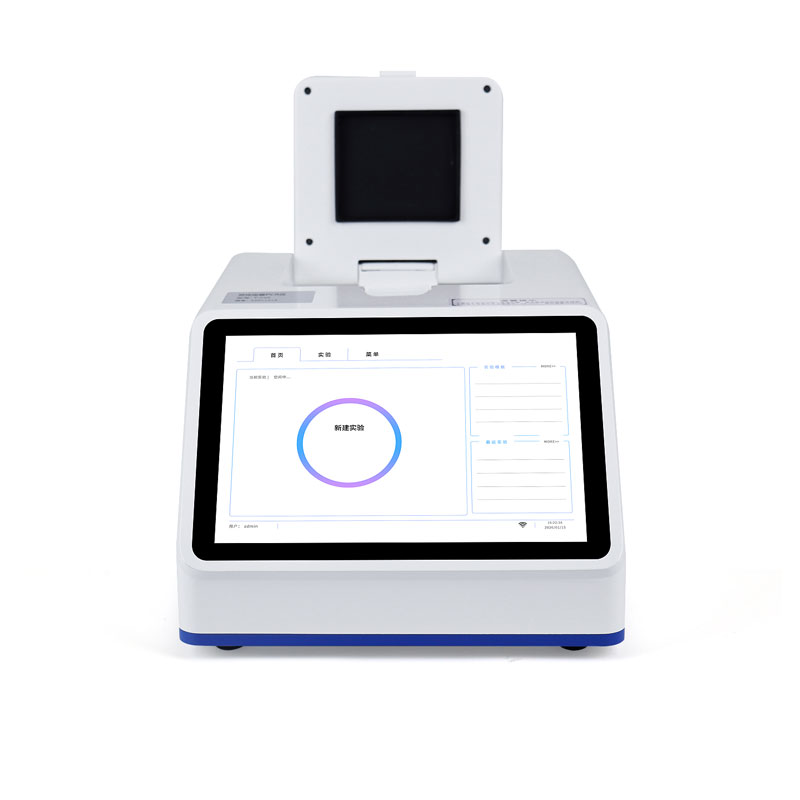
fluorescent quantitative PCR instrument is a 96-throughput real-time quantitative PCR instrument that supports both dye-based and probe-based detection reagents, enabling multiplex PCR analysis. The instrument is suitable for applications in molecular diagnostics, pathogen detection, and quantitative gene expression studies.
fluorescent quantitative PCR instrument serves as a core instrument in the field of molecular biology for the real-time monitoring of PCR amplification processes and the quantitative analysis of target nucleic acids. Unlike traditional endpoint PCR methods, this instrument utilizes a fluorescence detection system to capture signals after the completion of each PCR cycle, displaying the amplification process in real-time as fluorescence curves on the interface; this allows researchers to monitor the reaction progress throughout the entire experiment. The intensity of the fluorescence signal correlates directly with the quantity of amplified products, enabling the instrument to perform absolute or relative quantitative analysis of the initial target nucleic acids in a sample by calculating the threshold cycle (Ct) values.
This instrument offers significant advantages in terms of experimental throughput. It features a sample capacity of 96 wells (0.2 mL each) and supports reaction volumes ranging from 15 to 100 microliters, while remaining compatible with various consumables such as 0.2 mL single tubes, 8-tube strips, and 96-well plates. Regarding temperature control, the thermal block operates within a range of 0°C to 105°C, boasting a maximum heating rate of up to 7°C per second. Gradient temperature control is supported via six independently configurable zones, allowing for a maximum temperature differential of 25°C with a temperature control accuracy maintained within ±0.1°C. The fluorescence detection system features 4 to 6 independent fluorescence channels, equipped with long-life LED light sources and high-temperature-resistant professional optical fibers. It is compatible with a wide range of common fluorescent dyes, including SYBR Green I, Eva Green, Taqman, FRET, Molecular Beacons, Scorpions, and Amplifluor. The detection sensitivity reaches the single-copy gene level, offering a dynamic range of 10 to 10^10 copies, a linear correlation coefficient between 0.99 and 1.0, and an amplification efficiency ranging from 99% to 101%.
fluorescent quantitative PCR instrument features an open-system design, allowing users to freely select reagents and consumables best suited to their specific experimental objectives. In the realm of basic scientific research, this device is utilized for differential gene expression analysis, quantitative detection of microRNAs, and studies on copy number variations. In the field of clinical diagnostics, it facilitates the rapid qualitative and quantitative detection of pathogens, such as viruses and bacteria. Furthermore, the device supports applications such as food authenticity verification, screening for genetically modified ingredients, and the monitoring of microbial content in water bodies and potential contamination at water source sites. Paired with an external Windows-based computer, the instrument supports a comprehensive suite of data processing functions—including amplification curve analysis, standard curve quantification, melting curve analysis, and genotyping. Users can generate customized experimental reports tailored to their specific detection requirements, making the instrument broadly applicable to a diverse range of user groups, including educational and research institutions, Centers for Disease Control and Prevention (CDCs), and third-party testing agencies.
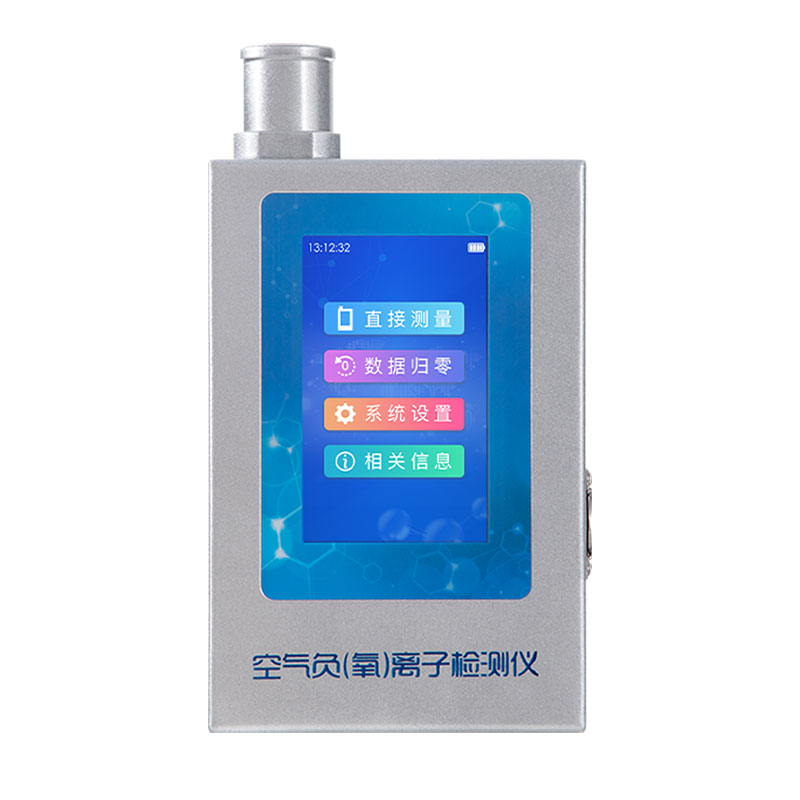
Home Weather Station is a portable environmental monitoring instrument used for on-site air quality monitoring. This device can measure multiple parameters in real time, including wind speed, wind direction, temperature, humidity, air pressure, PM2.5, PM10, and noise, providing an integrated on-site data acquisition solution for environmental assessment, industrial safety, and scientific research....
The Atmospheric Visibility Sensor is a device that accurately acquires atmospheric visibility data.The working principle of the Atmospheric Visibility Sensor is based on the theory of light scattering. The instrument is equipped with a light source of a specific wavelength, mostly an infrared LED li...
Transgene detection is a food testing device based on real-time quantitative fluorescence PCR technology, capable of performing qualitative detection of animal-derived ingredients such as pork, beef, mutton, chicken, and duck. By extracting DNA from meat samples and subjecting it to amplificat...
The Ultrasonic weather station integrates various sensors with different functions, such as sensors for measuring wind speed and direction, sensors for detecting temperature and humidity, and sensors for recording rainfall, etc., all in the same device. This design makes the structure of the weather...



 Skype
Skype
 whatsapp
 mail
mail