Tianqiong Sensor IOT Technology Co., Ltd
Sales Manager:Ms. Emily Wang
Cel,Whatsapp,Wechat:+86 15898932201
Email:info@fengtutec.com
Add:No. 155 Optoelectronic Industry Accelerator, Gaoxin District, Weifang, Shandong, China


Sales Manager:Ms. Emily Wang
Cel,Whatsapp,Wechat:+86 15898932201
Email:info@fengtutec.com
Add:No. 155 Optoelectronic Industry Accelerator, Gaoxin District, Weifang, Shandong, China
time:2026-04-17 13:07:08 source:Weather Station viewed:157 time
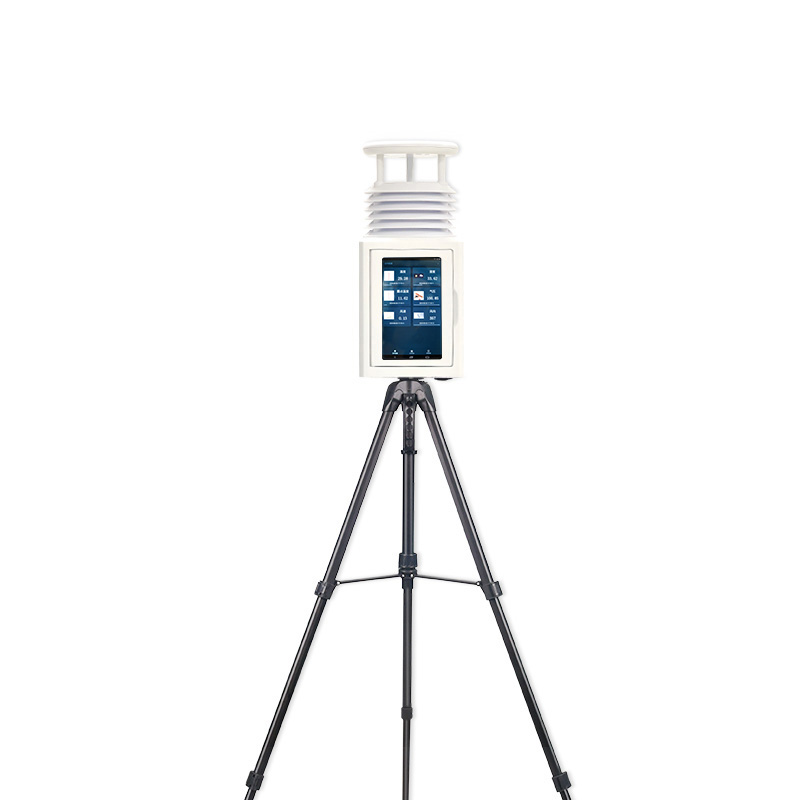
Cellular Weather Station is a high-precision automatic meteorological observation device featuring an integrated 5-element sensor. It enables real-time observation of key meteorological parameters—including wind speed, wind direction, air temperature, humidity, and atmospheric pressure—and supports wireless data transmission as well as rapid, calibration-free deployment. Consequently, it is ideally suited for scenarios involving short-term emergency meteorological observation and mobile weather monitoring.
Cellular Weather Station is a highly integrated, low-power, and rapidly installable high-precision automatic meteorological observation device designed for convenient use in field monitoring environments. The device utilizes an integrated 5-element sensor to perform real-time observations of meteorological parameters such as wind speed, wind direction, air temperature, humidity, and atmospheric pressure. The system supports wireless data transmission and calibration-free operation, allowing for rapid deployment across a wide range of scenarios involving short-term emergency meteorological observation and mobile weather monitoring.
In terms of hardware configuration, Cellular Weather Station comprises a sensor module, a data acquisition unit, a power supply system, and a communication module. The sensor features an integrated 5-element structural design, enabling the simultaneous acquisition of data for wind speed, wind direction, temperature, humidity, and atmospheric pressure. The data acquisition unit offers functions for real-time data collection, scheduled data storage, and parameter configuration. The power supply system can be powered by an internal lithium battery or an external solar power expansion unit, ensuring long-duration operation in field environments where access to mains electricity is unavailable. The communication module supports various wireless transmission methods—including 4G, Bluetooth, and GPRS—allowing users to access real-time data, historical trend charts, and analytical reports via a dedicated mobile app or a web-based interface.
Regarding deployment capabilities, Cellular Weather Station boasts exceptional rapid-deployment features. The device features an integrated, lightweight design; the core monitoring unit weighs no more than 5 kilograms and comes equipped with a retractable aluminum alloy tripod stand and a shock-resistant protective transport case. A single individual can complete the setup process within minutes, enabling "out-of-the-box" functionality for immediate measurement and use. Certain models feature a built-in electronic compass, eliminating the need for manual north alignment and ensuring accurate wind direction measurements regardless of the device's orientation during setup. The device is housed in an enclosure with an IP65 (or higher) protection rating, enabling it to operate continuously and without interruption in harsh weather conditions, such as thunderstorms, strong winds, and heavy snow.
In terms of application fields, Cellular Weather Station is widely utilized across a diverse range of sectors, including meteorology, agriculture and forestry, environmental protection, and emergency monitoring. In emergency disaster response scenarios, rescue personnel can deploy the weather station within five minutes to monitor critical data—such as wind speed and precipitation—in real time, thereby providing command centers with a scientific basis for decision-making. In the agricultural sector, farmers can utilize the device to monitor meteorological conditions in their fields, enabling them to adjust cultivation plans as well as management measures such as irrigation and fertilization. In the realms of scientific research and outdoor activities, researchers can rapidly acquire meteorological data in field environments; similarly, participants in outdoor pursuits—such as mountaineering and exploration—can use the instrument to monitor instantaneous wind conditions, thereby mitigating the risks of secondary disasters such as landslides and mudslides.
Driven by the continuous advancement of IoT and big data technologies, the Cellular Weather Station serves as a powerful complement to traditional fixed weather stations; leveraging its rapid deployment capabilities and flexible mobility, it is gradually becoming an indispensable component of modern meteorological monitoring systems.
A Handheld Weather Meter is an outdoor meteorological monitoring device that combines high precision with portability. It mainly uses the ultrasonic time-difference method to measure wind speed and direction. Since there are no mechanical rotating parts inside, it avoids the precision degradation pr...
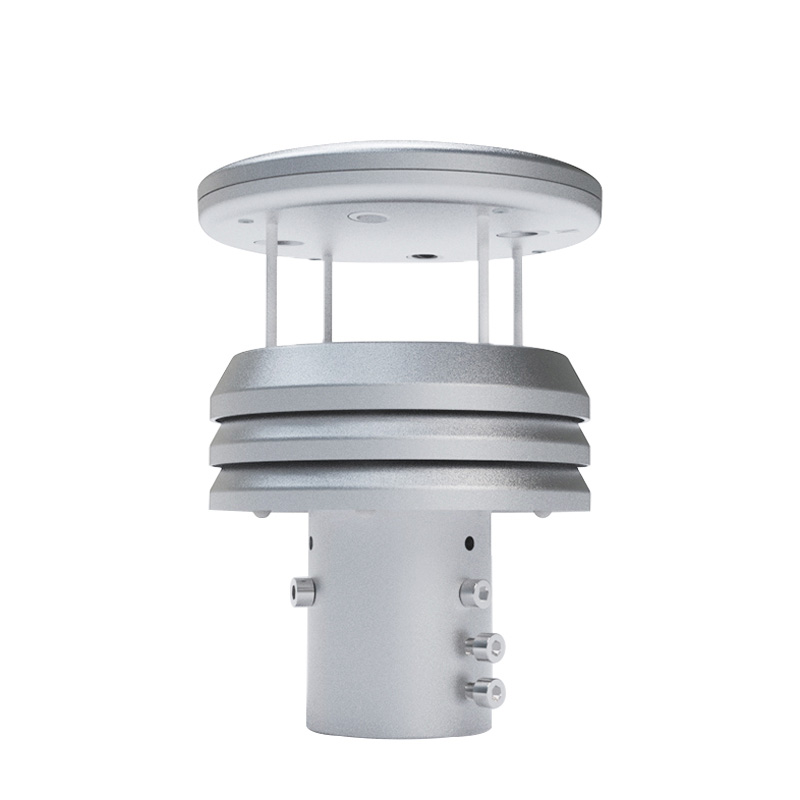
The FT-WQX6 micro weather sensor is a highly integrated device that combines multiple meteorological parameter measurement functions. Its key feature is the integration of six basic meteorological parameters—ambient temperature, relative humidity, wind speed, wind direction, atmospheric pressure, a...
The Handheld Weather Station is a portable meteorological observation instrument that integrates multiple meteorological element monitoring functions, and the FT-SQ5A is a typical representative of it. It uses precise sensors and intelligent chips, and can accurately measure five meteorological elem...
In the field of meteorological monitoring, refined monitoring has become a trend. As an important part of refined monitoring, micro-meteorological monitoring is dedicated to obtaining more accurate and detailed meteorological information. It focuses on the changes of meteorological elements within a...


 Skype
Skype
 whatsapp
 mail
mail