Tianqiong Sensor IOT Technology Co., Ltd
Sales Manager:Ms. Emily Wang
Cel,Whatsapp,Wechat:+86 15898932201
Email:info@fengtutec.com
Add:No. 155 Optoelectronic Industry Accelerator, Gaoxin District, Weifang, Shandong, China


Sales Manager:Ms. Emily Wang
Cel,Whatsapp,Wechat:+86 15898932201
Email:info@fengtutec.com
Add:No. 155 Optoelectronic Industry Accelerator, Gaoxin District, Weifang, Shandong, China
time:2025-08-29 09:05:52 source:Weather Station viewed:459 time
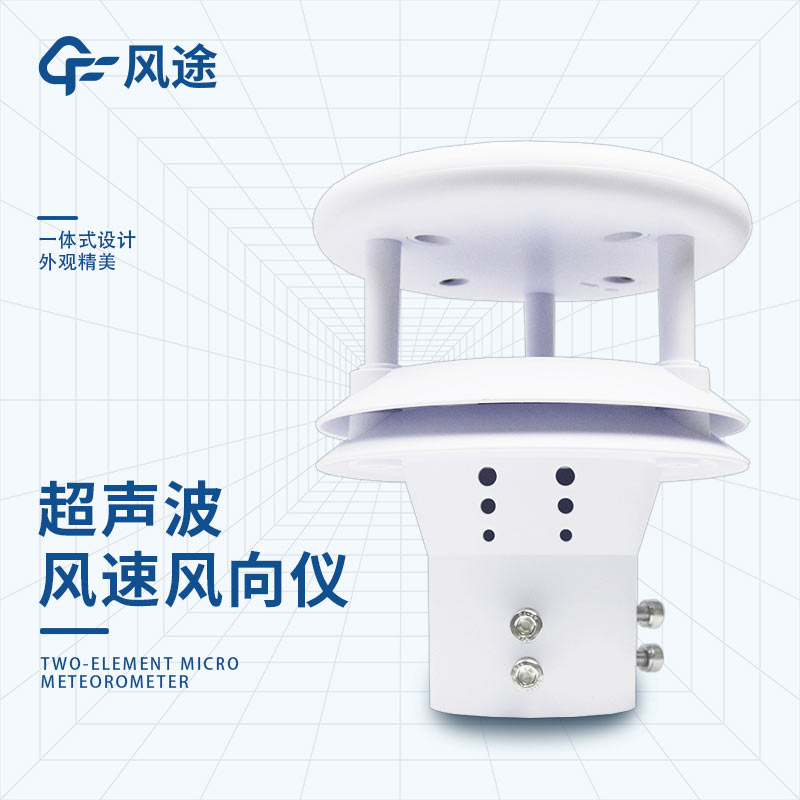
The core component of an ultrasonic anemometer is the ultrasonic transducer—a device specifically designed to transmit and receive ultrasonic waves. The entire equipment contains four such transducers. It adopts the ultrasonic time-difference method to measure wind speed and wind direction. The principle is based on the superposition of the propagation speed of sound waves in the air and the airflow speed: when the propagation direction is consistent with the wind direction, the speed increases; when it is opposite, the speed decreases. Under fixed detection conditions, the propagation speed of ultrasonic waves has a clear functional relationship with the wind speed, and accurate wind speed and wind direction data can be obtained through calculation.
The propagation speed of sound waves is significantly affected by temperature. In response to this, the ultrasonic wind speed sensor is equipped with two detection channels, which respectively measure the propagation of sound waves in two opposite directions. Through data comparison and compensation calculation, the interference of temperature on the sound wave speed can be offset, so there is no need to consider this factor.
In general, the ultrasonic anemometer is lightweight, has no moving parts inside, and features sturdiness and durability. During use, it requires no regular maintenance or on-site calibration, and can output wind speed and wind direction data simultaneously. Compared with mechanical anemometers and wind vanes, it overcomes the inherent defects of the latter in terms of structural stability, maintenance requirements, and environmental adaptability. It can work stably around the clock and for a long time in various weather conditions, and its application range is constantly expanding.
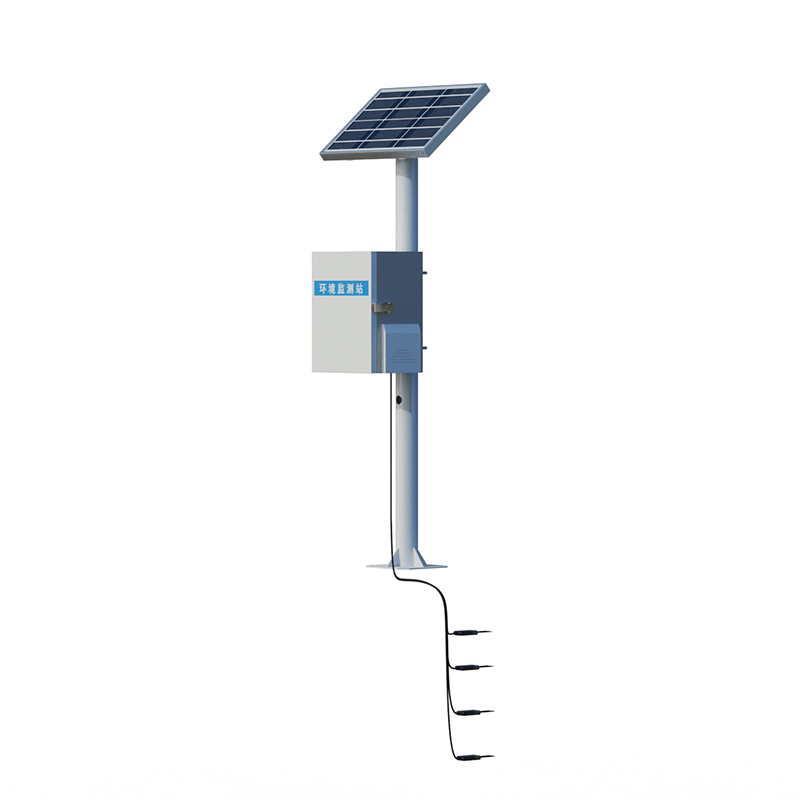
This instrument integrates FDR (Frequency Domain Reflectometry) principle soil moisture measurement sensors and data acquisition technology. Through moisture and temperature sensors, it accurately measures soil volumetric water content (VWC) and temperature. Powered by solar energy, it is adap...
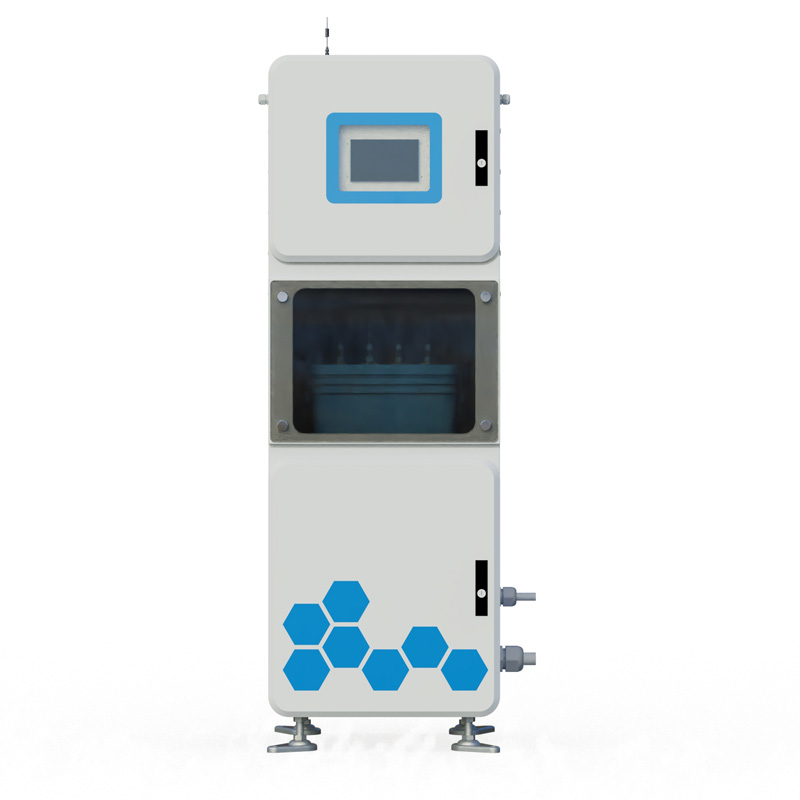
Water quality micro monitoring station is a miniaturized, integrated, and intelligent online water quality monitoring system. This device integrates five measurement modules—total phosphorus, total nitrogen, chemical oxygen demand, permanganate index, and ammonia nitrogen—as well as conventi...
The LCD screen of FT-FB01S Industrial Weather Station presents users with a clear and intuitive data display interface. The high-definition color screen can clearly present various collected meteorological data, such as wind speed, wind direction, air temperature, air humidity, atmospheric pressure,...
An air quality monitoring station is an innovative environmental monitoring device that forms a comprehensive monitoring network by densely deploying miniature monitoring devices within the monitoring area, enabling refined monitoring of air quality. This equipment can real-time monitor multiple pol...


 Skype
Skype
 whatsapp
 mail
mail